Fenced and customs-controlled
The area must be a defined, fenced geography with customs control over the movement of goods in and out. An office tower in a free zone with no goods control isn't close to qualifying.
For importers, re-exporters & logistics
Move goods between designated zones and VAT doesn't bite — until the goods touch the mainland. Then it does, immediately. The catch: not every fenced warehouse is a designated zone, and the FTA's conditions are strict. This guide covers what qualifies, how the suspension works, and where importers get it wrong.
The definition
"Free zone" and "designated zone" are not synonyms. The FTA's test is physical and administrative — and plenty of free zones fail it.
The area must be a defined, fenced geography with customs control over the movement of goods in and out. An office tower in a free zone with no goods control isn't close to qualifying.
The FTA publishes which zones hold designated status — areas within well-known logistics hubs like JAFZA are the classic examples. Check the current list; status can change.
Even inside a designated zone, the VAT suspension applies where the FTA's conditions are met — proper customs procedures, documentation, and the goods genuinely being in the zone.
We prepare workings, schedules and compliance-ready records. For regulated representation before the FTA we work with registered UAE tax partners.
How it works
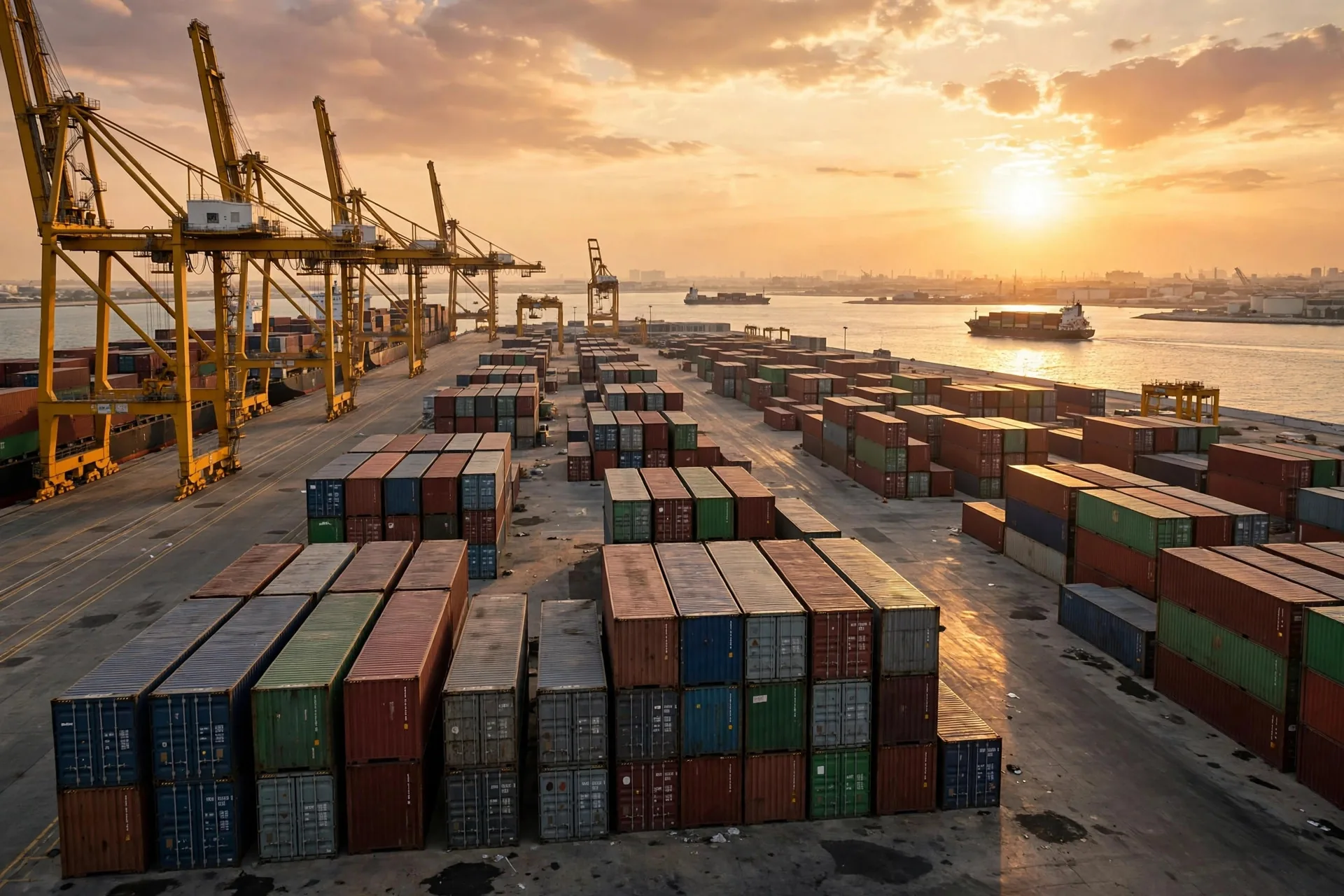
Think of a designated zone as outside the UAE for VAT-on-goods purposes — while the goods stay inside. The moment that changes, so does the VAT treatment:
Worked example
Gulf Star Electronics imports goods worth AED 500,000 through JAFZA. A hypothetical example — same shipment, three different destinations.
The full AED 500,000 shipment is re-exported to East Africa without entering the mainland. No UAE VAT due — the goods never became UAE imports.
AED 200,000 of the shipment is released to a Dubai retailer. Import VAT of AED 10,000 (5% of 200,000) becomes due at entry — recoverable as input VAT if the importer is VAT-registered with proper documentation.
AED 150,000 moves to a second designated zone for a buyer's consolidation. No VAT on the transfer — provided customs procedures are followed and both zones hold designated status.
The pattern: VAT follows the goods' physical journey, not the invoice. Map the journey first, then the tax treatment. Our VAT team does this mapping for importers routinely.
Avoid these
A free zone warehouse isn't automatically a designated zone. Treating it as one means VAT you should have accounted for was never accounted for.
The suspension depends on proper customs procedures. Goods that physically move between zones but aren't customs-cleared as zone transfers lose the protection.
Zero-rating on mainland-to-zone supplies has conditions and documentation requirements. "It went to JAFZA" isn't a filing position on its own.
The designated-zone suspension is built around goods. Services follow normal place-of-supply rules — warehousing, freight and handling each need their own analysis.
The FTA can ask, years later, to prove a shipment qualified. Without the customs trail and commercial records, the suspension is just a story.
Zones can gain or lose designated status. A change you miss becomes a VAT liability you never budgeted for — check the FTA's list periodically.
Next steps
Designated-zone VAT is won or lost in the planning — once goods have moved without the right paperwork, the position is hard to reconstruct. If you import regularly, pair this with our VAT return guide (import VAT flows straight into your return) and the resources library. Your corporate tax position runs on a separate track — check both.

Designated zone FAQs
No. A designated zone must be a fenced, customs-controlled area meeting the FTA's specific conditions. Many free zones qualify, but many don't — check the FTA's published list and the zone's own confirmation rather than assuming.
Transfers of goods between designated zones — or within the same one — can be made without VAT where the FTA's conditions are met. The suspension covers goods; services are treated under normal rules.
When the goods leave the zone and enter the UAE mainland — import VAT becomes due at that point, generally 5% of the customs value. Goods re-exported without entering the mainland don't trigger it.
The suspension treatment is designed around goods. Services connected to designated zones follow the normal place-of-supply rules — confirm the treatment for your specific services rather than assuming the goods treatment carries over.
Customs documentation showing the movement between zones, plus commercial records tying the shipment to the transaction. Keep the full trail — the FTA can ask for it years later.
Goods in the zone and movements after the change fall back to normal VAT rules. Monitor the FTA's list — a status change you miss becomes a liability you didn't plan for. We can review your exposure.
Keep going
Ready when you are
Start with a Free Finance Review — we'll check your registration status, first tax period and relief eligibility, and tell you exactly where you stand. No obligation.
Book Your Free Finance Review